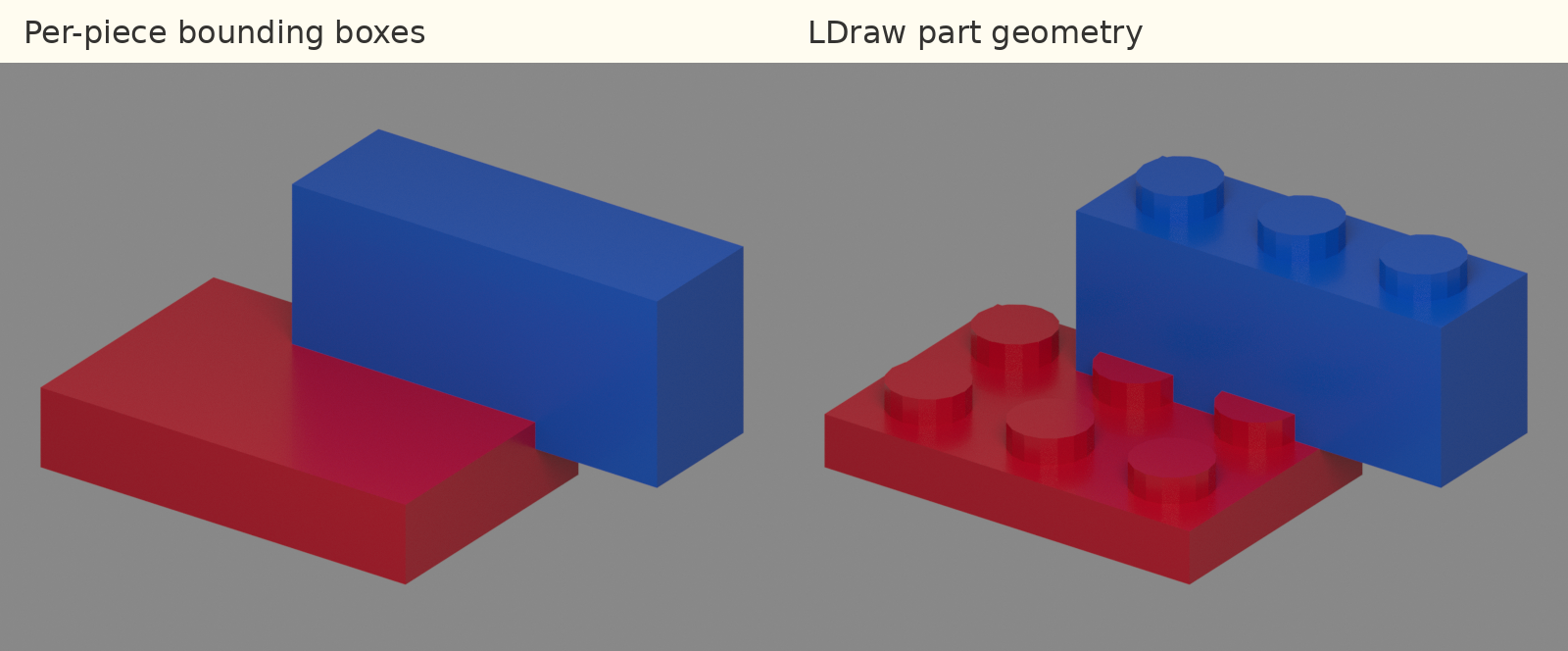
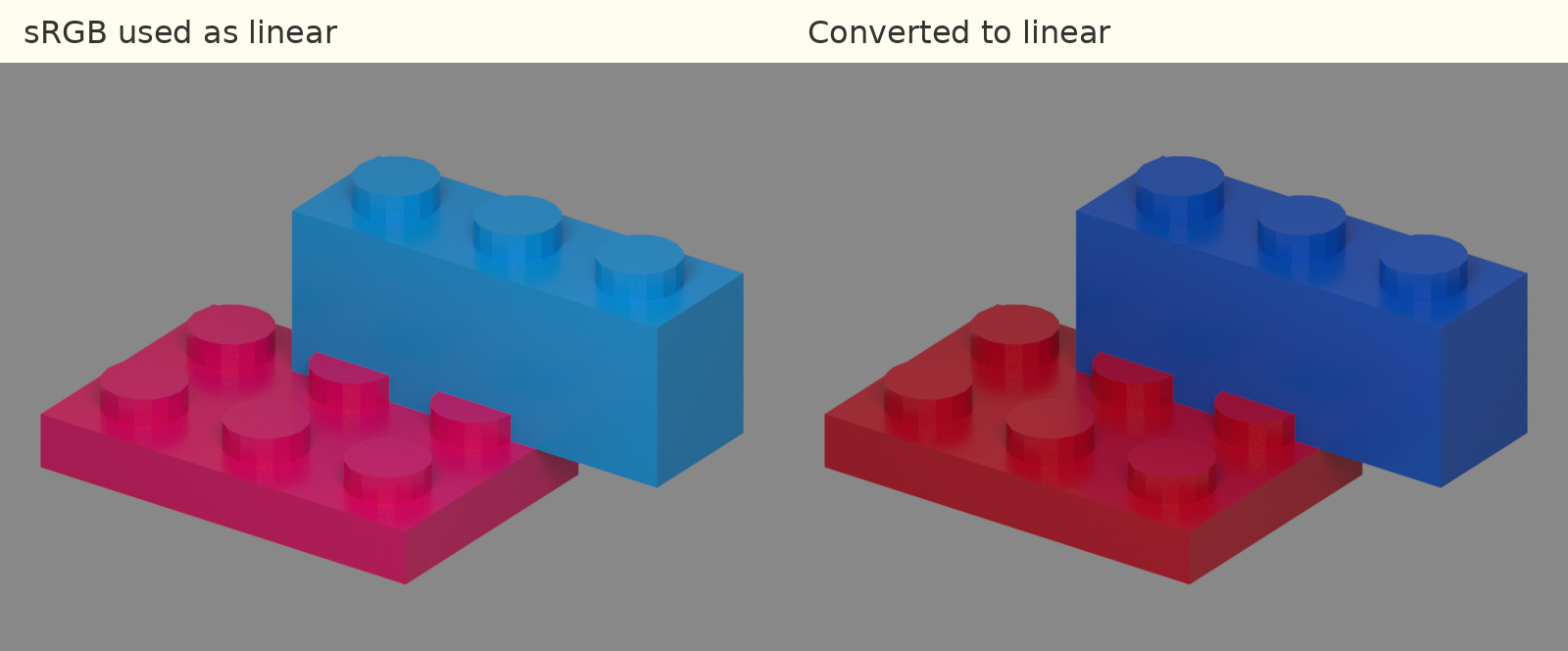
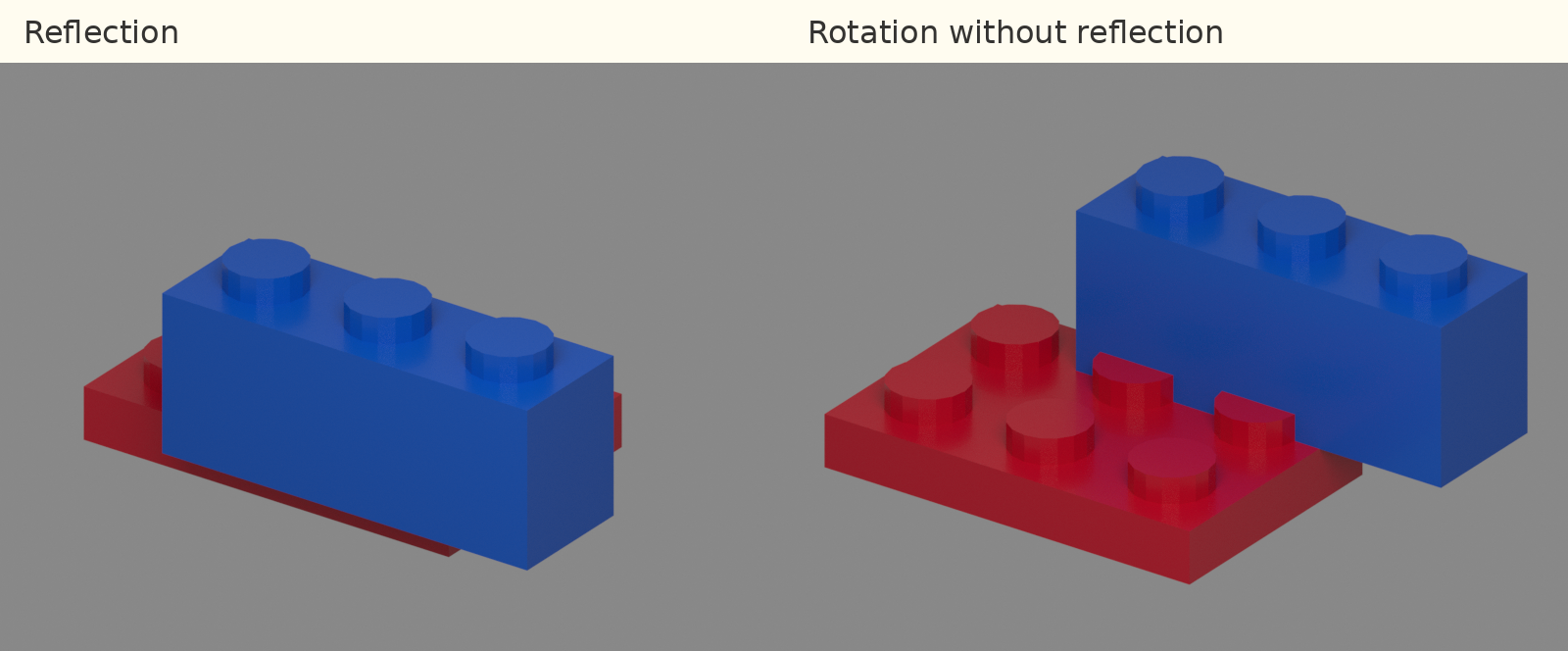
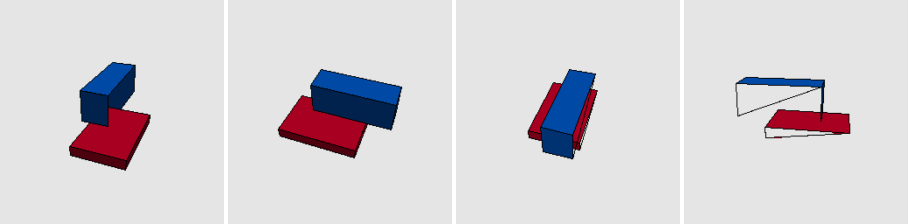
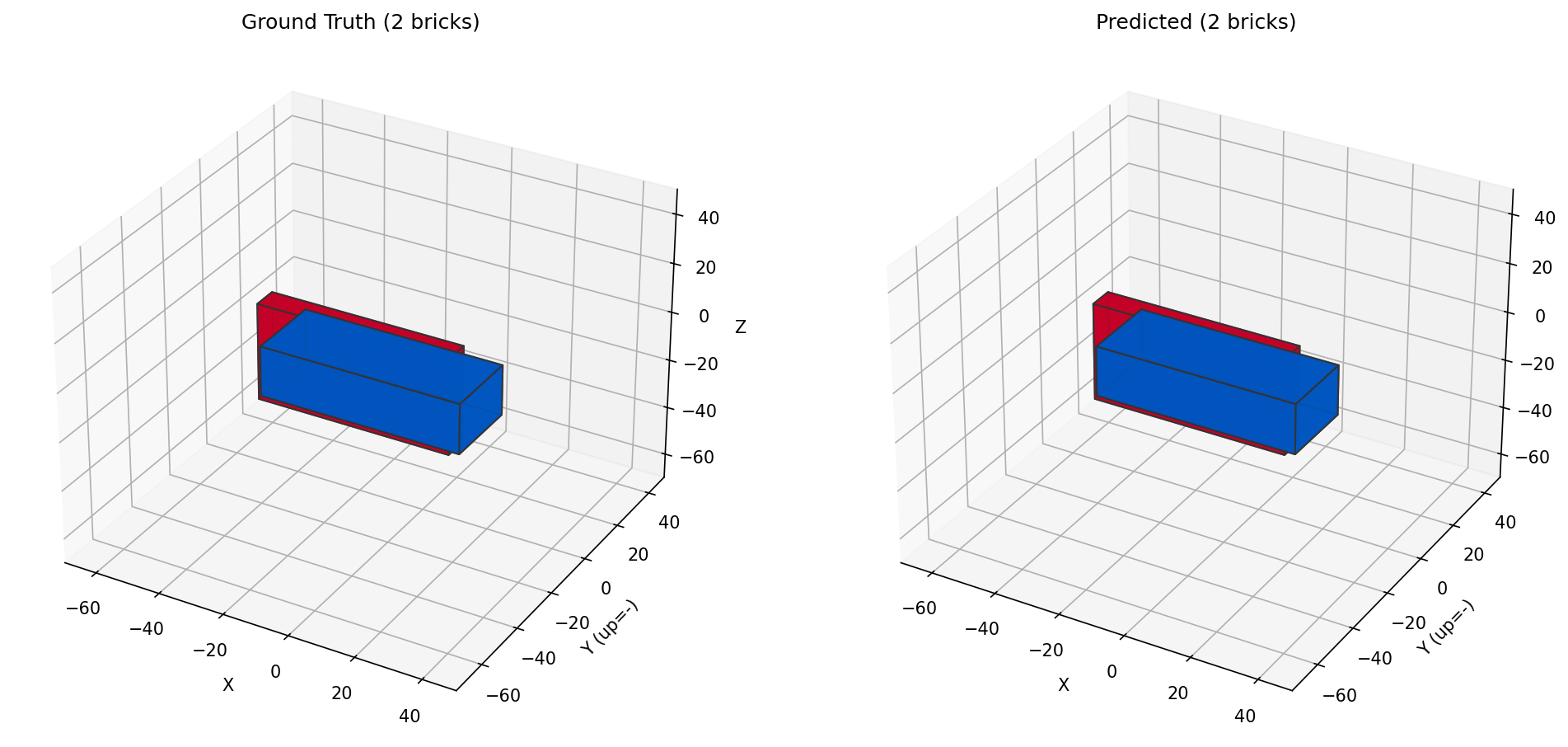
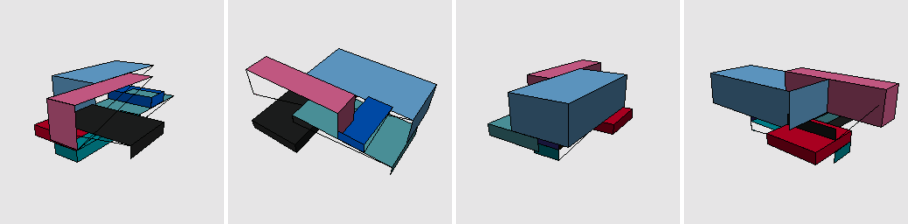
<?xml version="1.0" encoding="utf-8"?><feed xmlns="http://www.w3.org/2005/Atom" xml:lang="en"><generator uri="https://jekyllrb.com/" version="4.4.1">Jekyll</generator><link href="https://andrey.risukh.in/feed.xml" rel="self" type="application/atom+xml"/><link href="https://andrey.risukh.in/" rel="alternate" type="text/html" hreflang="en"/><updated>2026-11-25T09:45:39+00:00</updated><id>https://andrey.risukh.in/feed.xml</id><title type="html">blank</title><subtitle>Andrey Risukhin works on self-improving coding agents at Factory in San Francisco. Writing, research, LEGO reconstruction, and music tools.</subtitle><entry><title type="html">LEGO logbook: from boxes to Blender</title><link href="https://andrey.risukh.in/blog/2026/lego-logbook-studio-to-blender/" rel="alternate" type="text/html" title="LEGO logbook: from boxes to Blender"/><published>2026-10-31T12:00:00+00:00</published><updated>2026-10-31T12:00:00+00:00</updated><id>https://andrey.risukh.in/blog/2026/lego-logbook-studio-to-blender</id><content type="html" xml:base="https://andrey.risukh.in/blog/2026/lego-logbook-studio-to-blender/"><![CDATA[<p>My first Blender renders turned a red plate pink and mirrored the model. After fixing both bugs, the reconstruction model passed the same two-brick memorization test.</p> <p><em>Entry from March 31, 2026, edited retrospectively from my project logbook on October 31, 2026.</em></p> <figure class="figure-spaced"> <picture> <img src="/assets/img/posts/2026-lego-rendering/boxes-and-studs.png" class="img-fluid rounded z-depth-1" width="100%" height="auto" alt="Blender renders of the saved red plate and blue brick, comparing per-piece bounding boxes with detailed LDraw part geometry." data-zoomable="" loading="lazy" onerror="this.onerror=null; $('.responsive-img-srcset').remove();"/> </picture> <figcaption class="caption">New Blender/Cycles renders, made October 31, 2026 from the saved two-piece assembly. These use current LDraw geometry, not the original Studio mesh or archived March 31 inputs. Camera and lighting match. Saved coordinates are unchanged, including the visible part intersections.</figcaption> </figure> <h2 id="getting-the-studs-into-the-image">Getting the studs into the image</h2> <p><strong>Setup.</strong> Keep the red plate and blue brick from the <a href="/blog/2026/lego-logbook-first-reconstruction-pipeline/">first reconstruction test</a>, but render their geometry instead of their bounding boxes.</p> <p>The Studio <code class="language-plaintext highlighter-rouge">.io</code> file contained both assembly information and detailed geometry. Extracting this two-piece model increased the face count from 12 to 1,372.</p> <p>The detailed mesh carried different color codes from the assembly. I took shape from <code class="language-plaintext highlighter-rouge">model2.ldr</code> and colors from <code class="language-plaintext highlighter-rouge">model.ldr</code>.</p> <p>The software renderer could now draw studs, but sorting faces to draw them back-to-front still left visible artifacts.</p> <h2 id="a-renderer-i-could-run-from-a-script">A renderer I could run from a script</h2> <p>Studio’s bundled Eyesight renderer produced blank or nearly blank images despite repeated settings and camera fixes. I switched to Blender, exporting the Studio geometry as OBJ:</p> <div class="language-text highlighter-rouge"><div class="highlight"><pre class="highlight"><code>Studio .io → extracted mesh → OBJ + materials → Blender → four views
</code></pre></div></div> <h2 id="two-bugs-that-looked-like-rendering-choices">Two bugs that looked like rendering choices</h2> <p><strong>Color.</strong> Blender interpreted the palette’s sRGB values as linear light, making the colors too bright. Red looked pink; blue looked pale. Converting the values to linear light before assigning them to the shader fixed that mismatch.</p> <p>I also switched from EEVEE to Cycles and changed the lighting and plastic material. This was not a controlled comparison of the rendering engines.</p> <figure class="figure-spaced"> <picture> <img src="/assets/img/posts/2026-lego-rendering/color-comparison.png" class="img-fluid rounded z-depth-1" width="100%" height="auto" alt="Actual Blender renders of the same two-piece assembly, with brighter colors when sRGB values are used as linear light and darker colors after conversion." data-zoomable="" loading="lazy" onerror="this.onerror=null; $('.responsive-img-srcset').remove();"/> </picture> <figcaption class="caption">New renders reproducing the color encoding error. Only the material color conversion changes; the camera, lighting, Cycles settings, exposure, and display transform stay fixed.</figcaption> </figure> <p><strong>Coordinates.</strong> My first axis conversion put the model upright but also reflected it. Changing one sign gave a rotation without the reflection.</p> <figure class="figure-spaced"> <picture> <img src="/assets/img/posts/2026-lego-rendering/reflection-comparison.png" class="img-fluid rounded z-depth-1" width="100%" height="auto" alt="Blender renders showing how the offset between the red plate and blue brick changes when the assembly is reflected, with the camera unchanged." data-zoomable="" loading="lazy" onerror="this.onerror=null; $('.responsive-img-srcset').remove();"/> </picture> <figcaption class="caption">New renders of the same assembly from the same camera. Left: the reflected mapping (x, −z, −y), determinant −1. Right: the corrected mapping (x, z, −y), determinant +1. The brick’s offset from the plate makes the reflection visible.</figcaption> </figure> <h2 id="the-same-test-with-different-inputs">The same test, with different inputs</h2> <p><strong>Test.</strong> Render four Cycles views of <code class="language-plaintext highlighter-rouge">plate-brick.io</code>, then train the reconstruction model on that one assembly for 2,000 steps on CPU.</p> <p><strong>Result.</strong> The logbook records loss reaching zero around step 200, with brick accuracy and voxel IoU both 1.0: exact recovery of both pieces.</p> <p>This showed the model could memorize the detailed renders, not reconstruct an unseen assembly or work from photographs.</p> <p>Could it reconstruct an assembly it had never trained on?</p> <hr/> <p>Part of the <a href="/projects/lego/">LEGO project</a>. Source: project logbook entries for March 31, 2026.</p> <p>Render geometry: <a href="https://www.ldraw.org/">LDraw Parts Library</a>, licensed under <a href="https://creativecommons.org/licenses/by/4.0/">CC BY 4.0</a>. Part authors, source hashes, Blender settings, and raw-image hashes are in the <a href="/assets/img/posts/2026-lego-rendering/blender/provenance.json">render record</a>.</p> ]]></content><author><name></name></author><category term="lego"/><category term="lego"/><category term="machine-learning"/><summary type="html"><![CDATA[Real stud geometry, washed-out colors, a mirrored model, and the same two-brick test.]]></summary></entry><entry><title type="html">LEGO logbook: the first reconstruction pipeline</title><link href="https://andrey.risukh.in/blog/2026/lego-logbook-first-reconstruction-pipeline/" rel="alternate" type="text/html" title="LEGO logbook: the first reconstruction pipeline"/><published>2026-10-30T12:00:00+00:00</published><updated>2026-10-30T12:00:00+00:00</updated><id>https://andrey.risukh.in/blog/2026/lego-logbook-first-reconstruction-pipeline</id><content type="html" xml:base="https://andrey.risukh.in/blog/2026/lego-logbook-first-reconstruction-pipeline/"><![CDATA[<p>I started with reconstruction: take a few photos of a LEGO model and recover its parts, colors, positions, and orientations.</p> <p><em>Entries from March 28–29, 2026, edited retrospectively from my project logbook on October 30, 2026.</em></p> <h2 id="2026-03-28-first-end-to-end-pipeline">2026-03-28: First end-to-end pipeline</h2> <p><strong>Setup.</strong> Generate random assemblies, render four views, and train a model to predict the bricks one at a time. Procedural generation gives me the brick list for every image without labeling photos by hand.</p> <ul> <li>Data: 12 common brick and plate types, 33 colors, four rotations around the vertical axis.</li> <li>Images: a PIL software renderer, with four roughly evenly spaced viewpoints.</li> <li>Model: a ResNet-18 image encoder and a six-layer transformer decoder. Each decoder step predicts one brick’s part ID, position, rotation, and color.</li> </ul> <p><strong>Results.</strong> Training ran on CPU. Loss fell from 24.8 to 24.4 over two epochs on 32 samples. Inference exported LDraw files that viewers could parse.</p> <p>That verified the pipeline ran, not that it reconstructed the inputs correctly.</p> <p><strong>Next check.</strong> Overfit one assembly. If the model cannot memorize one example, more training data will not fix it.</p> <h2 id="2026-03-29-start-and-stop-were-the-same-token">2026-03-29: Start and stop were the same token</h2> <p><strong>Failure.</strong> Training loss could reach zero, but generation returned no bricks. The decoder started from an all-zero token, identical to its end-of-sequence token.</p> <p><strong>Fix.</strong> Give the decoder distinct <code class="language-plaintext highlighter-rouge">&lt;bos&gt;</code> and <code class="language-plaintext highlighter-rouge">&lt;eos&gt;</code> tokens for the beginning and end of a sequence.</p> <p><strong>Test.</strong> I used a two-piece model made in BrickLink Studio: a red 2×3 plate with a blue 1×3 brick on top.</p> <figure class="figure-spaced"> <picture> <img src="/assets/img/posts/lego-first-pipeline/two-piece-input-views.png" class="img-fluid" width="100%" height="auto" alt="Four software-rendered views of the red plate and blue brick used in the two-piece test." data-zoomable="" loading="lazy" onerror="this.onerror=null; $('.responsive-img-srcset').remove();"/> </picture> <figcaption class="caption">The test’s saved input views, not photographs.</figcaption> </figure> <p>From training step 100 onward, generation matched both pieces’ part IDs, colors, and positions exactly. Recorded brick accuracy and voxel IoU were both 1.0.</p> <figure class="figure-spaced figure-plot"> <picture> <img src="/assets/img/posts/lego-first-pipeline/two-piece-comparison.png" class="img-fluid" width="100%" height="auto" alt="Saved side-by-side plots of the two-piece ground truth and matching predicted assembly." data-zoomable="" loading="lazy" onerror="this.onerror=null; $('.responsive-img-srcset').remove();"/> </picture> <figcaption class="caption">Saved comparison after 500 training steps on the same example. The plots use box approximations, not full brick geometry.</figcaption> </figure> <p>This was memorization of one example, not a generalization result.</p> <p><strong>Data problem.</strong> Opening the procedural assemblies in Studio exposed illegal intersections. The generator checked collisions at stud level, not across the full brick volumes.</p> <figure class="figure-spaced"> <picture> <img src="/assets/img/posts/lego-first-pipeline/procedural-input-views.png" class="img-fluid" width="100%" height="auto" alt="Four saved software-rendered views of a nine-piece procedural assembly." data-zoomable="" loading="lazy" onerror="this.onerror=null; $('.responsive-img-srcset').remove();"/> </picture> <figcaption class="caption">A saved nine-piece procedural example. Its LDraw file places two 1×1 plates at exactly the same position.</figcaption> </figure> <p><strong>Decision.</strong> Use existing LDraw models from the community’s Official Model Repository, or models made in Studio, instead of building a separate construction validator.</p> <hr/> <p>Part of the <a href="/projects/lego/">LEGO project</a>. Source: project logbook entries for March 28–29, 2026.</p> ]]></content><author><name></name></author><category term="lego"/><category term="lego"/><category term="machine-learning"/><summary type="html"><![CDATA[An end-to-end pipeline, a start-token bug, and invalid training assemblies.]]></summary></entry><entry><title type="html">Trying to Measure My Best Work</title><link href="https://andrey.risukh.in/blog/2026/best-work-stays-recent/" rel="alternate" type="text/html" title="Trying to Measure My Best Work"/><published>2026-08-29T19:00:00+00:00</published><updated>2026-08-29T19:00:00+00:00</updated><id>https://andrey.risukh.in/blog/2026/best-work-stays-recent</id><content type="html" xml:base="https://andrey.risukh.in/blog/2026/best-work-stays-recent/"><![CDATA[<p>Every Monday, our CTO at Factory challenges Engineering, Product, and Design to answer one question:</p> <blockquote> <p>Are the last six weeks the best work you’ve ever done in your life? I suspect for many people it is not. If not, why not? What can you change to make the next six weeks the best work of your entire life?</p> </blockquote> <p>Eno started asking this in the final weeks of last quarter, and we are approaching the first six-week mark. I believe these have been the best six weeks of work in my life, yet it is less clear how to evaluate that belief beyond anecdotes. I expected my record of shipped work to help. The first substantive run measured execution and feedback, but it could not tell whether I prioritized the right work.</p> <p>As producing work gets cheaper, choosing what deserves work matters more. A reflection system that sees only finished artifacts can reward activity, luck, and hindsight rather than judgment.</p> <h2 id="what-the-first-run-missed">What the first run missed</h2> <p>I built a weekly <a href="https://docs.factory.ai/software-factory/automations">Factory Automation</a> to examine six weeks of work. Rather than calculate a productivity score, it nominates the strongest work, makes the skeptical case against it, and proposes one experiment for the following week.</p> <p>The first substantive run nominated a set of agent benchmarks and the harness that made them runnable. These had progressed from open to usable in under a week, were already finding bugs, and left reusable infrastructure.</p> <p>The run then argued against its own choice. Nearly everything happened in the final week, so recency may have inflated the result. Subagents authored much of the dataset, making my contribution design and validation rather than authorship. The daily loop that would make the benchmarks matter had not landed.</p> <p>The more useful finding came from raw counts: roughly forty pull requests opened in one week and seven merged. The run diagnosed excess work in progress and proposed that I land one change before opening the next.</p> <p>But the six-to-one ratio overstated the problem. I had also started an automation that read task traces and proposed draft PRs. The drafts were poor, so we iterated on the automation without trying to land them.</p> <p>The deeper limit was not a missing metric. The run could count open work, but it could not tell which changes were worth landing and which were already dead. GitHub records what shipped, and Linear records what finished, but neither records why I prioritized that work over the alternatives. Judging choices from outcomes rewards luck and hindsight. I need a contemporaneous record of why I chose the work.</p> <h2 id="record-the-choice">Record the choice</h2> <p>I initially treated Eno’s question as a measurement problem, and measuring is the first way to know how to improve a system. But I think I lost sight of the purpose of measuring, which is to improve work including its prioritization. The most significant improvement is a record of prioritization: conversations and meetings that informed the timeline and priority for work, and what took its place (an urgent “fire” for example). This ledger is how we continue improving our work in a measurable way.</p>]]></content><author><name></name></author><category term="reflections"/><summary type="html"><![CDATA[Intermediate thoughts on a six-week challenge, a weekly automation, and the missing context needed to measure judgment.]]></summary></entry><entry><title type="html">Clocking In to the Factory</title><link href="https://andrey.risukh.in/blog/2026/time-at-perceptron-ai/" rel="alternate" type="text/html" title="Clocking In to the Factory"/><published>2026-05-01T16:00:00+00:00</published><updated>2026-05-01T16:00:00+00:00</updated><id>https://andrey.risukh.in/blog/2026/time-at-perceptron-ai</id><content type="html" xml:base="https://andrey.risukh.in/blog/2026/time-at-perceptron-ai/"><![CDATA[<p>I’m starting a new chapter: This weekend I left Bellevue and Perceptron, and arrived in SF for Factory.</p> <figure class="figure-spaced"> <picture> <source class="responsive-img-srcset" srcset="/assets/img/posts/2026-perceptron/goldengate-480.webp 480w,/assets/img/posts/2026-perceptron/goldengate-800.webp 800w,/assets/img/posts/2026-perceptron/goldengate-1400.webp 1400w," type="image/webp" sizes="95vw"/> <img src="/assets/img/posts/2026-perceptron/goldengate.jpg" class="img-fluid rounded z-depth-1" width="100%" height="auto" alt="The Golden Gate Bridge at dusk, framed by cypress trees." loading="lazy" onerror="this.onerror=null; $('.responsive-img-srcset').remove();"/> </picture> <figcaption class="caption">Evening after Day One at Factory.</figcaption> </figure> <h2 id="perceptron">Perceptron</h2> <p>After less than 24 hours spanning an initial call, a three-round onsite, and an internship offer, I joined Perceptron AI last spring to work on multimodal data. After a month with the team, I knew I had to defer the PhD. I stayed a year to see how far we could take multimodal modeling with video data as a first-class citizen.</p> <p>Perceptron was the best year of my career so far. I designed production systems for terabyte-scale video data, made friends I’ll keep for life, and got to do it all close to home in Bellevue, WA.</p> <figure class="figure-spaced"> <picture> <source class="responsive-img-srcset" srcset="/assets/img/posts/2026-perceptron/navdesk-480.webp 480w,/assets/img/posts/2026-perceptron/navdesk-800.webp 800w,/assets/img/posts/2026-perceptron/navdesk-1400.webp 1400w," type="image/webp" sizes="95vw"/> <img src="/assets/img/posts/2026-perceptron/navdesk.jpg" class="img-fluid rounded z-depth-1" width="100%" height="auto" alt="Two coworkers at a desk with monitors, one standing and one seated, beside a wall of office windows." loading="lazy" onerror="this.onerror=null; $('.responsive-img-srcset').remove();"/> </picture> <figcaption class="caption">Halloween: “Are you Steve Jobs or Elizabeth Holmes?”</figcaption> </figure> <h2 id="reflections">Reflections</h2> <p>Our work fell into a simple pipeline: take raw data, format it to our schema, augment it with annotations, and decide whether it belonged in evals or training. Across the year I built up each stage:</p> <ol> <li>Hand-written processors on Day 1 became Claude-written, then proactively Claude-initiated.</li> <li>Built a modular pipeline with work distribution, reproducibility, versioning, and heavy/light data sharding.</li> <li>Added human and synthetic annotation tools, plus producer-consumer systems balancing cheap and expensive compute.</li> <li>Wrote diagnostic evals for video capabilities (physics tracking).</li> <li>Automated the loop from experiment results to the next training run.</li> </ol> <p>Along the way, I built other CLI tools: a Slack bot for Slurm job status, plus inspection and render tooling for our datasets.</p> <p>Working with <a href="https://www.linkedin.com/in/naveensahi/">Naveen</a> and Akshat taught me a few valuable lessons:</p> <ul> <li><strong>Prioritize empirical feedback.</strong> Just run it; the bottlenecks show themselves.</li> <li><strong>Get faster feedback.</strong> A dataloading bug doesn’t need a full training run to debug. Cutting iteration time from hours to seconds is the most leveraged thing you can do.</li> <li><strong>Overcommunicate.</strong> Getting faster feedback from humans starts with task visibility (Slack/Linear/logbooks).</li> </ul> <figure class="figure-spaced"> <picture> <source class="responsive-img-srcset" srcset="/assets/img/posts/2026-perceptron/newofficenight-480.webp 480w,/assets/img/posts/2026-perceptron/newofficenight-800.webp 800w,/assets/img/posts/2026-perceptron/newofficenight-1400.webp 1400w," type="image/webp" sizes="95vw"/> <img src="/assets/img/posts/2026-perceptron/newofficenight.jpg" class="img-fluid rounded z-depth-1" width="100%" height="auto" alt="Glass office towers lit from inside against a dusk sky." loading="lazy" onerror="this.onerror=null; $('.responsive-img-srcset').remove();"/> </picture> <figcaption class="caption">The new office, after hours.</figcaption> </figure> <h2 id="factory">Factory</h2> <p>I drove from Bellevue to SF this weekend to join <a href="https://factory.ai/">Factory</a>.</p> <p>Factory accelerates each lesson. Code is empirically evaluated; The coding feedback loop is faster than the video feedback loop; And overcommunication matters for synchronization between humans and now Droids. The feedback loop also now improves itself, rather than staying constant and improving an accessory to the loop.</p> <p>Month over month since January I’ve increasingly reached for code over spreadsheets and APIs over documents. Model capabilities appear across labs within months; the lasting moat is the interface, not the weights. I’m saying “until next time” to the PhD, because I’ll be working on implicit feedback at Factory and that’s been my primary research interest for several years.</p> <p>Perceptron has been amazing. Thanks to everyone there, especially:</p> <ul> <li>Maciej, for teaching me to bench and to love Claude.</li> <li>Jeremy, for inviting me to play music in public again.</li> <li>Akshat, for raising my bar on what a research scientist looks like.</li> <li>Naveen, for being the kind of manager I want to be.</li> </ul> <div class="figure-pair"> <figure> <picture> <source class="responsive-img-srcset" srcset="/assets/img/posts/2026-perceptron/akshatprehug-480.webp 480w,/assets/img/posts/2026-perceptron/akshatprehug-800.webp 800w,/assets/img/posts/2026-perceptron/akshatprehug-1400.webp 1400w," type="image/webp" sizes="95vw"/> <img src="/assets/img/posts/2026-perceptron/akshatprehug.jpg" class="img-fluid rounded z-depth-1" width="100%" height="auto" alt="Akshat and Andrey face each other beside a desk in the office." loading="lazy" onerror="this.onerror=null; $('.responsive-img-srcset').remove();"/> </picture> </figure> <figure> <picture> <source class="responsive-img-srcset" srcset="/assets/img/posts/2026-perceptron/akshathug-480.webp 480w,/assets/img/posts/2026-perceptron/akshathug-800.webp 800w,/assets/img/posts/2026-perceptron/akshathug-1400.webp 1400w," type="image/webp" sizes="95vw"/> <img src="/assets/img/posts/2026-perceptron/akshathug.jpg" class="img-fluid rounded z-depth-1" width="100%" height="auto" alt="Akshat and Andrey hug goodbye in the office." loading="lazy" onerror="this.onerror=null; $('.responsive-img-srcset').remove();"/> </picture> <figcaption class="caption">Saying goodbye.</figcaption> </figure> </div> <hr/> <p><small><em>Photos of the office desk and the goodbye hugs by <a href="https://www.cedricith.com/">Cedric Ith</a>.</em></small></p>]]></content><author><name></name></author><category term="reflections"/><summary type="html"><![CDATA[A year at Perceptron, then south to Factory.]]></summary></entry></feed>